
What an Interior Designer Brings to the Process
A significant renovation or furnishing project involves hundreds of interconnected decisions. An interior designer brings clarity to those decisions—connecting architecture, function, materials, furnishings, budget, and execution into one cohesive vision.

1. A Vision Grounded in the Way You Live
The design process begins with understanding more than how a client wants a home to look. It requires learning how they live, what is working, what is missing, and how they want the experience of being at home to feel.
An interior designer translates those priorities into a clear point of view for the entire project. Space planning, architecture, materials, lighting, furnishings, and art can then be considered together rather than as a series of isolated choices.
The goal is not to impose a predetermined style. It is to create a home that feels deeply personal, functions naturally, and reflects the people who inhabit it.
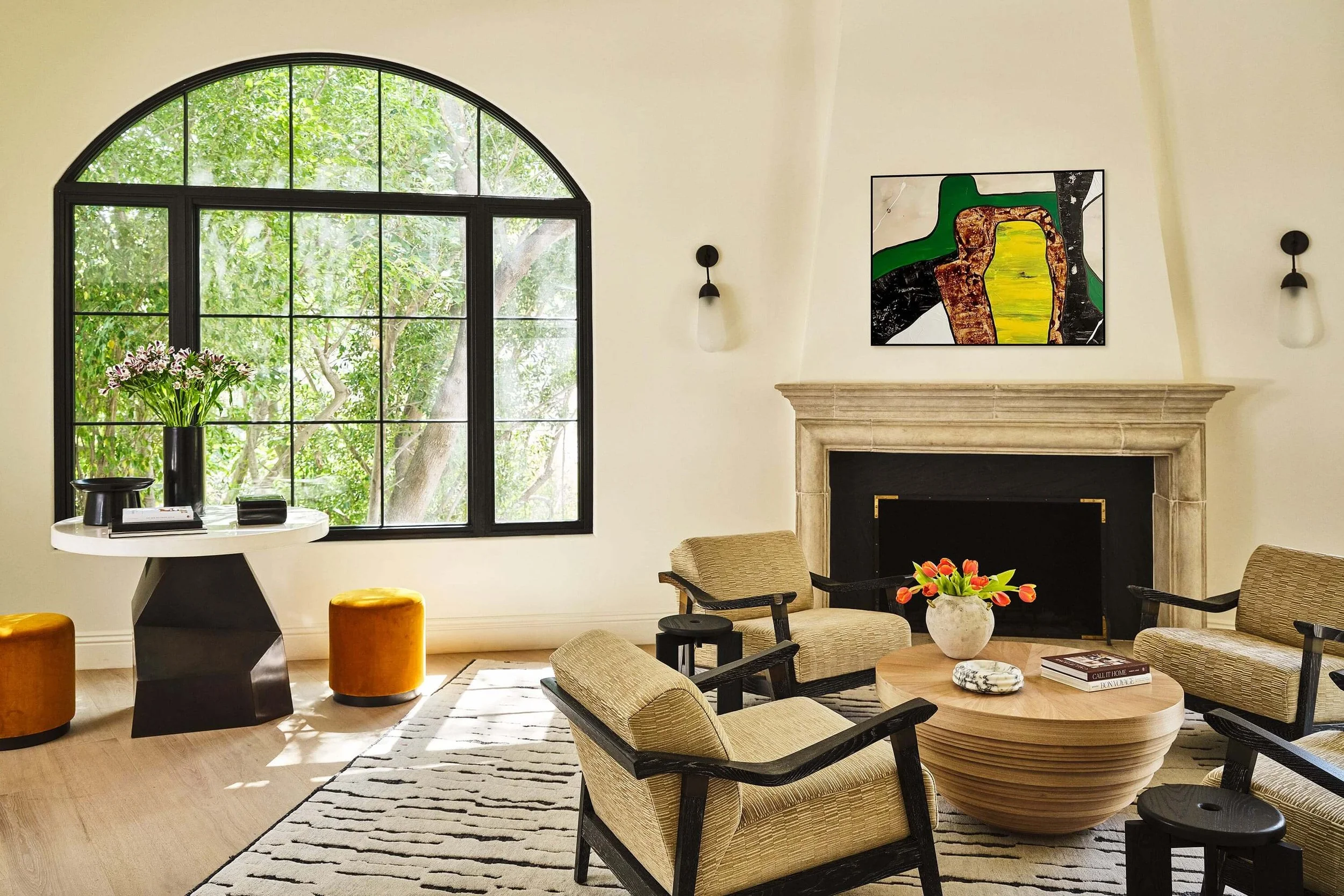
2. A Cohesive Plan Before Decisions Multiply
Even a seemingly straightforward renovation can involve countless decisions, many of which affect work that comes later. The location of an outlet may influence a furniture plan. A lighting decision may affect the ceiling architecture. A material choice may change fabrication requirements, cost, or construction timing.
An interior designer anticipates these relationships and establishes a cohesive plan before the project becomes fragmented. This allows the team to make decisions in the right order and keeps the larger vision intact as the work progresses.
Careful planning does not remove creativity from the process. It creates the framework that allows the best ideas to be fully developed and successfully executed.
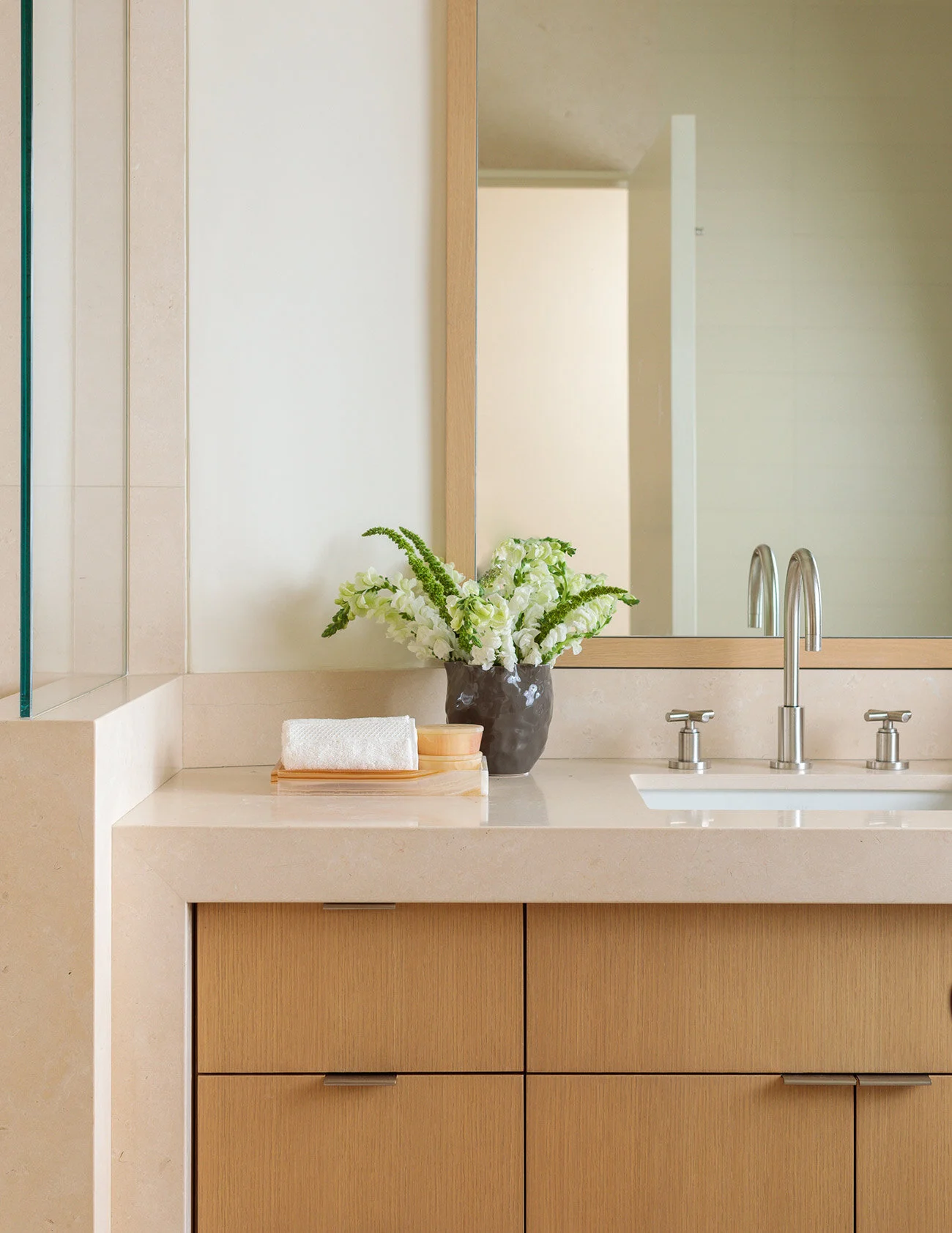
3. The Right Team and Resources
Depending on the scope, a project may require architects, contractors, landscape designers, engineers, lighting specialists, fabricators, workrooms, installers, and artisans. An experienced interior designer helps identify the right collaborators and brings them into the process at the appropriate time.
Established relationships also provide access to skilled craftspeople, trade-only sources, custom capabilities, and materials that are not always available through retail channels. The value is not simply having more options—it is knowing which resources are appropriate for the project and how to bring them together successfully.
This network makes it possible to create details, furnishings, and architectural elements that feel specific to the home rather than selected from a standard formula.

4. Protection for Your Time and Investment
A designer cannot promise that a project will be free from surprises, but thoughtful planning and experienced oversight can prevent many avoidable mistakes. Dimensions are verified, specifications are coordinated, samples are reviewed in context, and selections are evaluated for quality, function, availability, and compatibility.
This protects the client’s investment by reducing impulsive purchases, incompatible decisions, and expensive revisions. It also saves clients from having to manage every detail themselves while balancing work, family, and everyday life.
The designer’s role is to keep the process moving, communicate clearly, resolve issues as they arise, and ensure that decisions remain aligned with the project’s priorities.

5. Leadership From Concept Through Installation
A successful home is not created at the presentation meeting. It is realized through months—or sometimes years—of detailed coordination and follow-through.
An interior designer carries the original vision through drawings, specifications, purchasing, fabrication, construction, and installation. As conditions change or unexpected questions arise, the designer helps determine which compromises are acceptable and which details are essential to preserve.
By the time the furnishings are installed and the final objects are placed, the architecture and interiors should feel completely connected. What once seemed like an overwhelming collection of decisions becomes a finished home that feels considered, comfortable, and entirely its own.

The greatest value an interior designer brings is the ability to see both the whole and the details—to guide a complex project while never losing sight of the people who will ultimately live there. With the right vision, team, and process in place, creating a home can feel not only more manageable, but genuinely collaborative and rewarding.
Let's start the conversation.
Every project begins by understanding how you live and what matters to you. We'd love to hear about your project.